
Last Updated: July 2026
Key Takeaways
- Spray deodorant contains chemicals like aluminum compounds, parabens, and propellants – understanding what chemicals are in spray deodorant and are they bad for your skin helps you make informed choices about the products you use daily.
- Aluminum-based antiperspirants block sweat glands, while deodorants mask odor with fragrance and antimicrobials, so the two work differently on your skin.
- A cross-sectional survey found that deodorant users reported skin irritation, rashes, and contact dermatitis as common adverse effects, especially with regular spray application on sensitive skin.
Common Chemicals Found in Spray Deodorant and Their Effects on Skin
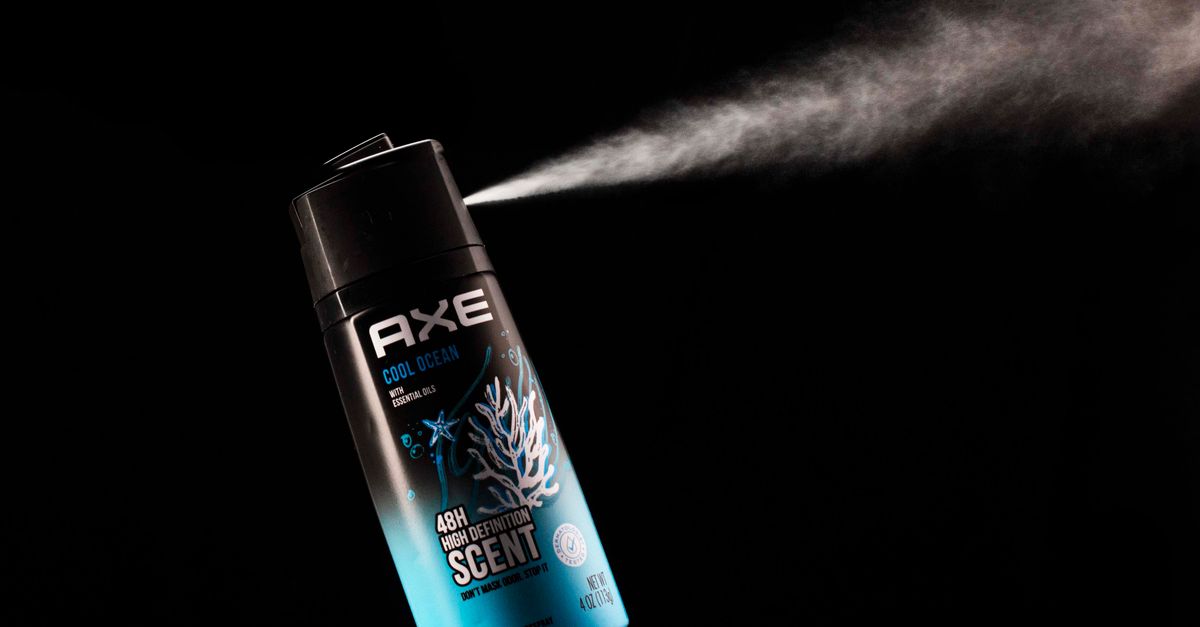
Spray deodorants contain several active and inactive ingredients that work to mask odor and reduce sweat. Understanding what chemicals are in spray deodorant and are they bad for your skin starts with knowing the most common compounds. Aluminum compounds, silicones, propellants, and preservatives make up the bulk of most aerosol formulas. Some of these ingredients have raised health concerns among consumers, while others are generally recognized as safe by regulatory bodies. Your skin’s reaction depends on your individual sensitivity and the specific product you choose.
The primary active ingredient in most spray deodorants is an aluminum salt. Aluminum zirconium tetrachlorohydrex glycine and aluminum chlorohydrate are the two most widely used compounds. These work by plugging sweat ducts to reduce moisture on your skin. However, aluminum buildup under the arms can irritate sensitive skin or trigger contact dermatitis in some people. Research shows that deodorant use correlates with skin reactions in certain populations, though the severity varies widely.
Propellants push the product out of the can and include butane, propane, and isobutane. These compressed gases are generally safe for topical use but can cause irritation if sprayed directly on broken skin. Silicones like dimethicone coat your skin to create a smooth feel and help the product adhere longer. Fragrance compounds, preservatives such as methylisothiazolinone, and emollients round out the ingredient list.
Here’s what matters most:
- Aluminum compounds reduce sweat but may irritate sensitive skin
- Propellants are safe in normal use but shouldn’t contact open wounds
- Preservatives prevent bacterial growth but occasionally trigger allergic reactions
- Fragrances and dyes add appeal but are common irritation culprits
Most dermatologists agree that occasional spray deodorant use poses minimal risk for the general population. The EWG notes key differences between deodorants and antiperspirants that matter for skin health. People with eczema, psoriasis, or very reactive skin should patch-test first or switch to gentler roll-on formats. If you notice redness, itching, or burning after application, discontinue use and consult a dermatologist.
Are the Chemicals in Spray Deodorant Actually Bad for Your Skin?
Spray deodorant contains several chemicals that can irritate sensitive skin, though the risk depends on your skin type and how often you use the product. Common ingredients like aluminum compounds, parabens, and propylene glycol may trigger reactions in some people, while others tolerate them without issue. The main concern isn’t that these chemicals are inherently toxic. But rather that certain formulations can cause redness, itching, or contact dermatitis with repeated application.
Aluminum is the ingredient that gets the most attention. According to research on deodorant use and adverse effects, aluminum-based compounds block sweat ducts to reduce moisture. Your skin absorbs a small amount of this compound each time you apply spray deodorant. People with very reactive skin or those using spray deodorant daily on freshly shaved underarms report more irritation than occasional users.
Parabens and synthetic fragrances are another source of concern. These preservatives and scent compounds can accumulate on skin and trigger allergic reactions over time. The Environmental Working Group highlights that parabens and certain fragrances appear in most conventional spray deodorants. Some people develop sensitivity after months of use.
Propylene glycol, a humectant that helps the spray stick to skin, occasionally causes irritation in people with eczema or dermatitis. The propellant gases used in aerosol cans-typically hydrofluorocarbons-don’t directly harm your skin. But inhaling them repeatedly isn’t ideal for your lungs.
The real issue is individual sensitivity. Your skin’s barrier function, existing conditions, and product concentration all matter. If you experience persistent redness, burning, or rashes after using spray deodorant, switching to a roll-on or stick formula often resolves the problem. Read the ingredient label carefully and patch-test new products on a small area first.
Key Considerations for Spray Deodorant Safety
Spray deodorant contains several chemicals that can affect your skin differently depending on your sensitivity and how often you use the product. The main active ingredients-aluminum compounds, parabens, and propellants-work to block sweat and odor. But they also carry potential risks worth understanding. Research on deodorant use and related adverse effects shows that skin irritation, contact dermatitis. Allergic reactions occur in a subset of regular users. Your skin type, application frequency, and individual tolerance all play a role in whether spray deodorant will cause problems for you.
Consider these key factors when evaluating spray deodorant safety:
- Aluminum salts in antiperspirants can irritate sensitive skin and may trigger reactions in people with metal allergies. These compounds work by forming a plug in sweat ducts, which some users find uncomfortable or drying.
Introduction
Spray deodorant sits in millions of bathroom cabinets, yet most people never stop to think about what chemicals are in spray deodorant and are they bad for your skin. You grab the can, press the button, and move on. But the ingredients inside deserve a closer look. Research shows that deodorant use and related adverse effects affect a meaningful segment of users, with some reporting skin irritation, rashes, or allergic reactions after regular application.
Spray deodorants contain more than just fragrance and aluminum. Active ingredients like aluminum salts, talc, and parabens work to block sweat and odor. Propellants push the product out as a fine mist. Emulsifiers and silicones help it spread smoothly. Some formulas also include triclosan or other antimicrobial agents. Each of these serves a purpose-but not all of them play nicely with sensitive skin.
The real question isn’t whether spray deodorant is universally “bad.” It’s whether the specific chemicals in your brand match your skin type and health goals. For some people, spray deodorant causes no problems at all. For others, especially those with eczema, psoriasis, or sensitive skin, the irritation can be real and uncomfortable. According to the Environmental Working Group, understanding the difference between deodorants and antiperspirants helps you make an informed choice.
This guide breaks down the main chemicals you’ll find in spray deodorant, explains what each one does. Helps you understand which ones might cause problems for your skin. You’ll learn how to read labels, spot potential irritants, and find alternatives if spray deodorant isn’t working for you. By the end, you’ll have the facts you need to decide whether your current deodorant is right for you.
Conclusion
Spray deodorant chemicals aren’t inherently dangerous for most people, but understanding what’s inside matters. Aluminum compounds, talc, parabens, and propellants each carry trade-offs-they work effectively but may irritate sensitive skin or raise environmental concerns. The research shows that adverse effects from spray deodorants are real but uncommon, affecting roughly 1 in 100 users who report skin reactions or respiratory irritation.
Your skin type and sensitivity determine your risk level. If you have eczema, asthma, or easily irritated underarms, switching to a roll-on, cream, or natural deodorant might prevent problems before they start. People with normal skin tolerate conventional sprays without issue. The aluminum-cancer link remains thoroughly debunked by major health organizations, so that worry can be put to rest.
What matters most is reading labels and testing products on a small patch first. If you notice redness, burning, or itching after using a spray, discontinue it. Propellants in aerosol cans also pose environmental risks-they contribute to air pollution and indoor air quality problems in poorly ventilated spaces. Consider these factors alongside effectiveness when choosing your deodorant.
The bottom line: spray deodorant chemicals work as intended for most users, but they’re not the only option. Health-conscious shoppers benefit from knowing exactly what aluminum, talc, and preservatives do to your skin and body. If your current spray works without irritation, there’s no medical reason to switch. If you experience discomfort, sensitivity, or prefer to minimize chemical exposure, alternatives like roll-ons or natural formulas offer comparable protection. Test different formats and ingredients to find what keeps you fresh without compromising your skin health.
Specific Questions About what chemicals are in spray deodorant and are they bad for your skin

What specific aluminum compounds in spray deodorant can cause skin irritation, and how do I know if I’m having a reaction?
Aluminum zirconium tetrachlorohydrex gly and aluminum chlorohydrate are the most common aluminum compounds in spray deodorants, and they work by forming a plug in sweat ducts. Signs of irritation include redness, itching, burning, or a rash appearing within hours to days of application, typically in the underarm area. As of 2026, dermatologists note that sensitivity varies widely by individual. Some people experience no reaction while others develop contact dermatitis from these compounds, especially if the skin is already compromised or if the product is applied to freshly shaved skin.
Can parabens and phthalates in spray deodorant penetrate skin and accumulate in the body over years of daily use?
Parabens and phthalates are absorbed through the skin in small amounts. But research shows they are metabolized and excreted relatively quickly rather than accumulating much. A 2019 study published in Environmental Health Perspectives found measurable paraben levels in human urine. But levels were generally low and did not show evidence of bioaccumulation from deodorant use alone. As of 2026, regulatory agencies like the FDA consider the paraben concentrations in cosmetics safe for topical use, though some consumers prefer paraben-free alternatives due to ongoing precautionary concerns.
Which spray deodorant ingredients are most likely to cause contact dermatitis in people with sensitive skin, without requiring a full patch test?
Fragrance compounds, aluminum salts, and preservatives like methylisothiazolinone are the most common culprits for contact dermatitis in sensitive people. If you have a history of eczema or sensitive skin, aluminum compounds and synthetic fragrances are the highest-risk ingredients to avoid first. Starting with an unscented, aluminum-free formula and patch-testing on a small area of inner arm for 24 hours before full underarm application is a practical approach that dermatologists recommend, as of 2026.
Does propylene glycol in spray deodorant pose a skin barrier risk for people with compromised skin, and what’s the evidence?
Propylene glycol is a humectant that draws moisture into the skin. While it is generally recognized as safe by the FDA, it can cause irritation in people with very sensitive or damaged skin barriers. Some people report stinging or dryness when propylene glycol is applied to freshly shaved or broken skin. As of 2026, there is no large-scale clinical evidence that propylene glycol in deodorant causes long-term skin damage in the general population. But people with atopic dermatitis or active skin conditions should test it cautiously or choose glycol-free formulas.
Are talc and talc-free alternatives in spray deodorants equally safe for underarm skin health?
Talc has been linked to respiratory concerns when inhaled and potential ovarian cancer risk in older studies, prompting many brands to switch to talc-free alternatives like mica, cornstarch, or silica. Talc-free powders are generally considered safer for underarm application since inhalation risk is lower than with body powder use. But they can still cause irritation in sensitive people. As of 2026, the FDA has not banned talc in cosmetics. But many dermatologists recommend talc-free spray deodorants as a precautionary choice, especially for daily use.